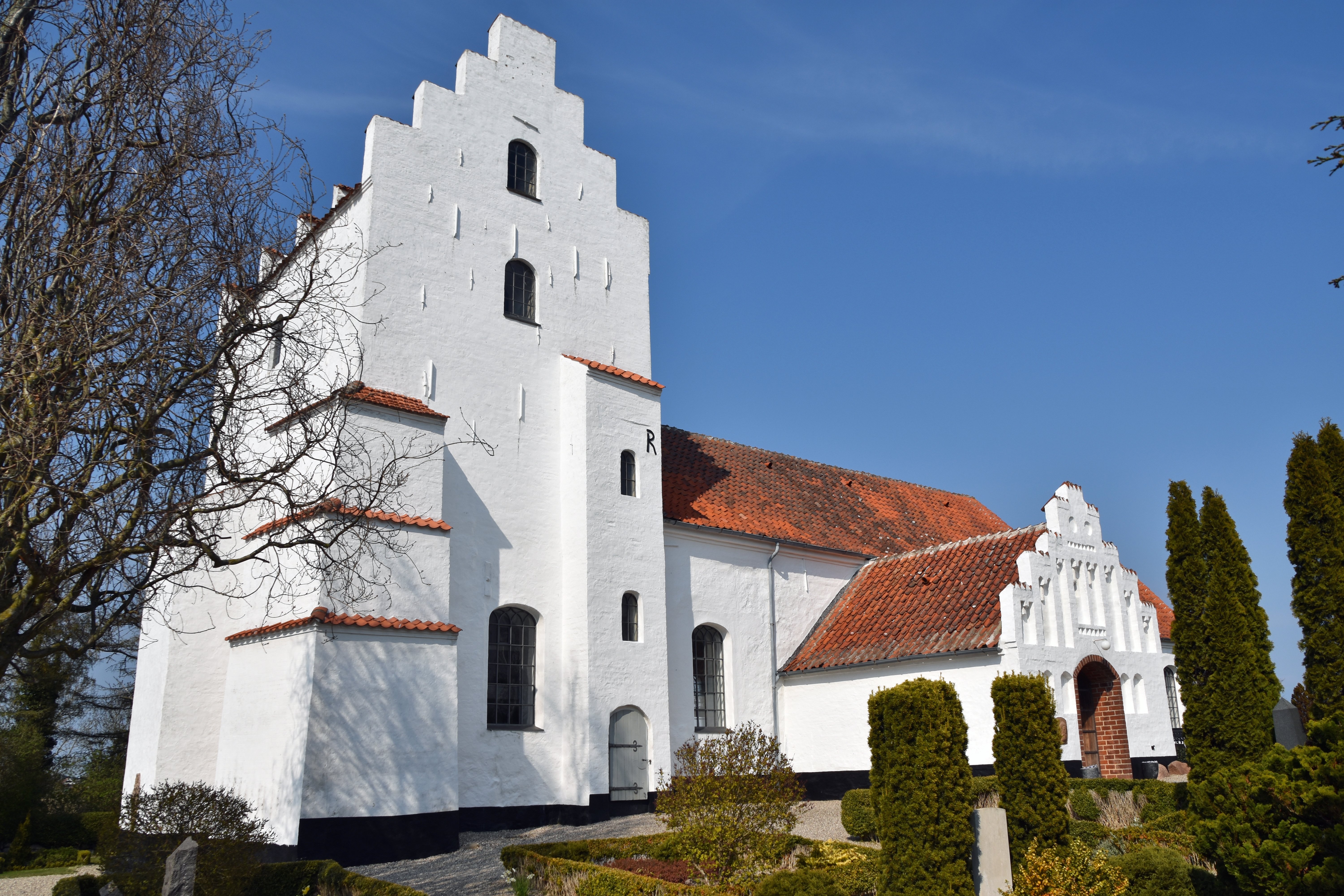
Langeland — literally "long land" — is a narrow island extending 52 kilometres from north to south off the south coast of Funen. It is one of Denmark's least-altered agricultural landscapes: rolling fields, beech forests, village churches, and a coastline that feels genuinely remote in places.
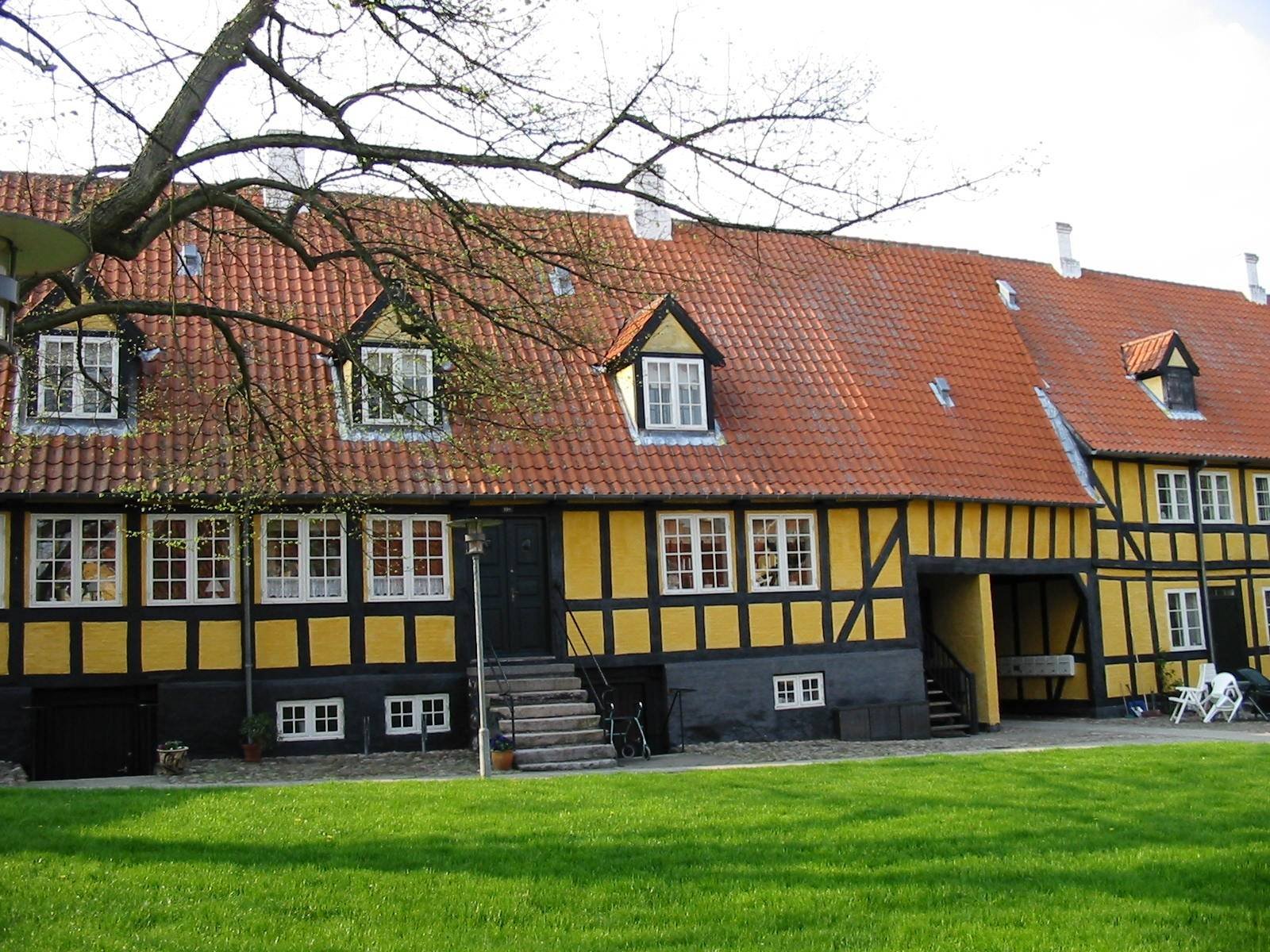
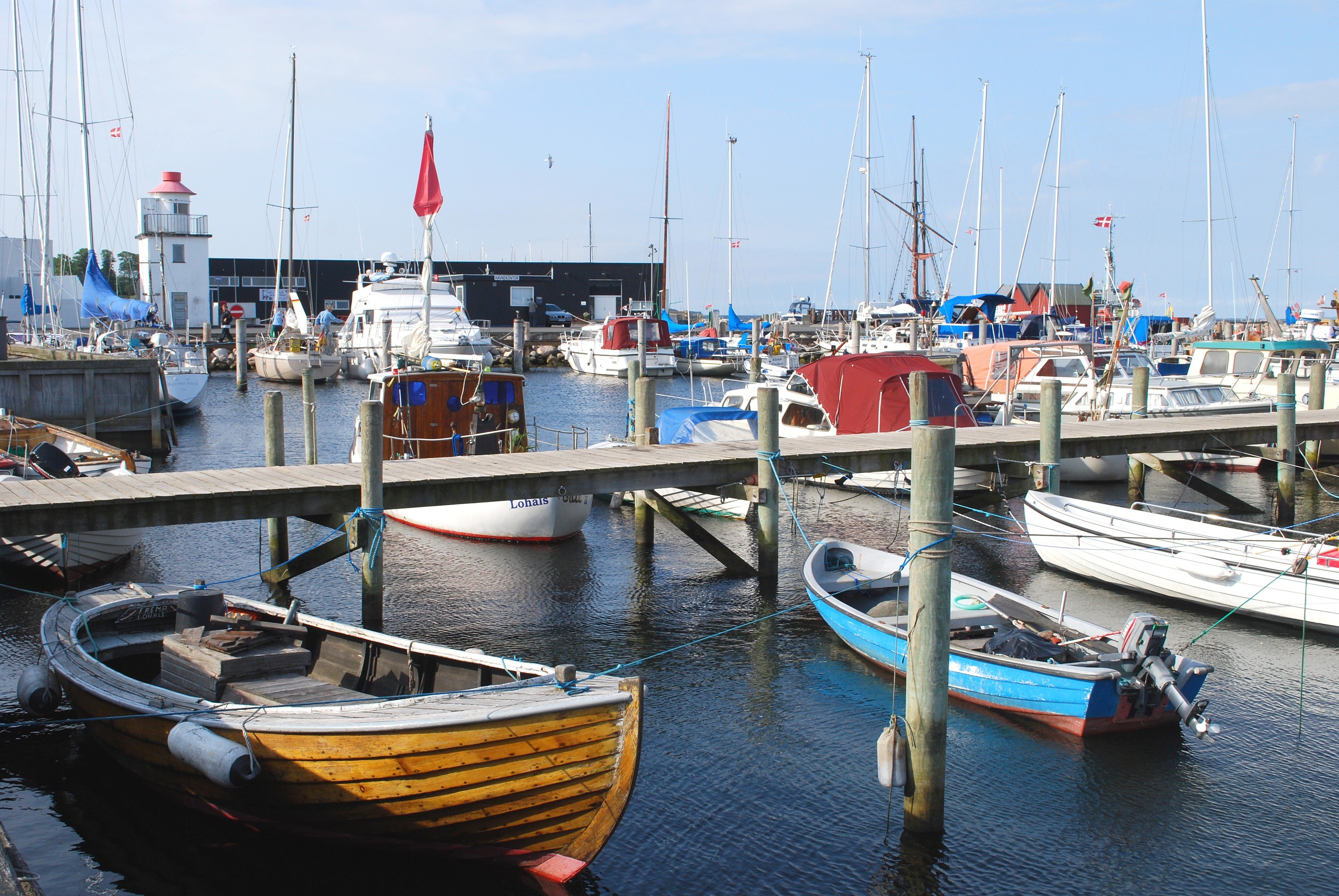
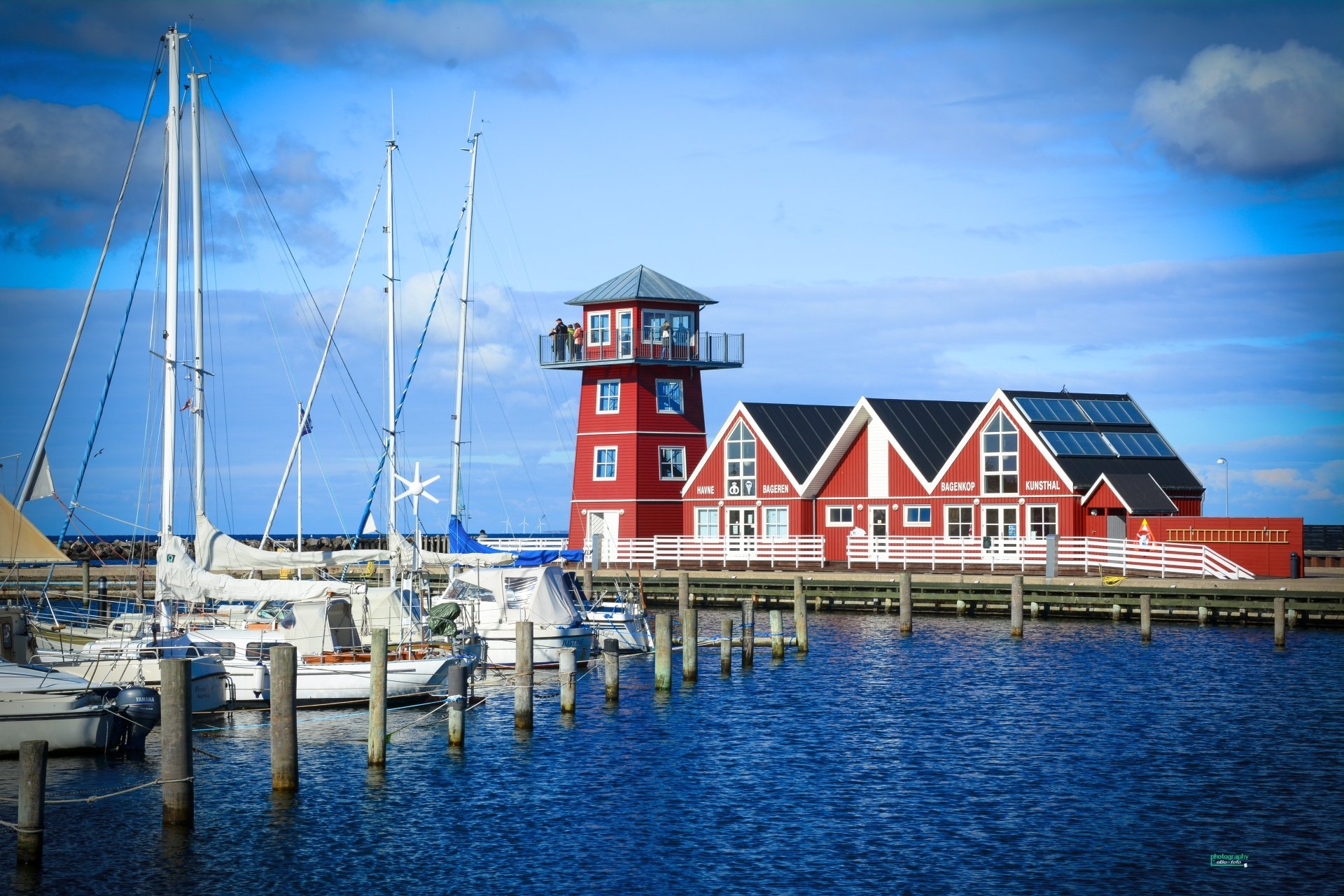
The main town is Rudkøbing, a small port with a well-preserved old centre. It was the birthplace of Hans Christian Ørsted, the physicist who discovered electromagnetism, and has a small museum dedicated to him. At the northern tip, Lohals is a ferry port and quiet seaside village with a good beach. At the southern end, Bagenkop sits beside a small harbour used by fishing boats and visiting yachts.
The island is well set up for cycling — the distances are manageable, the terrain is gentle, and the coastal roads are quiet. Tranekær Castle in the north, one of Denmark's oldest inhabited castles, sits in a landscape park where TICKON has installed over 20 permanent land art works by international artists; both are free to visit. At the southern tip, Ristinge Klint has chalk cliffs and some of the best birdwatching in the region during migration season. Near Bagenkop, Langelandsfort is a superbly preserved Cold War NATO fort — four intact underground bunkers and a submarine on the lawn — that is one of the most compelling Cold War sites in the Baltic.