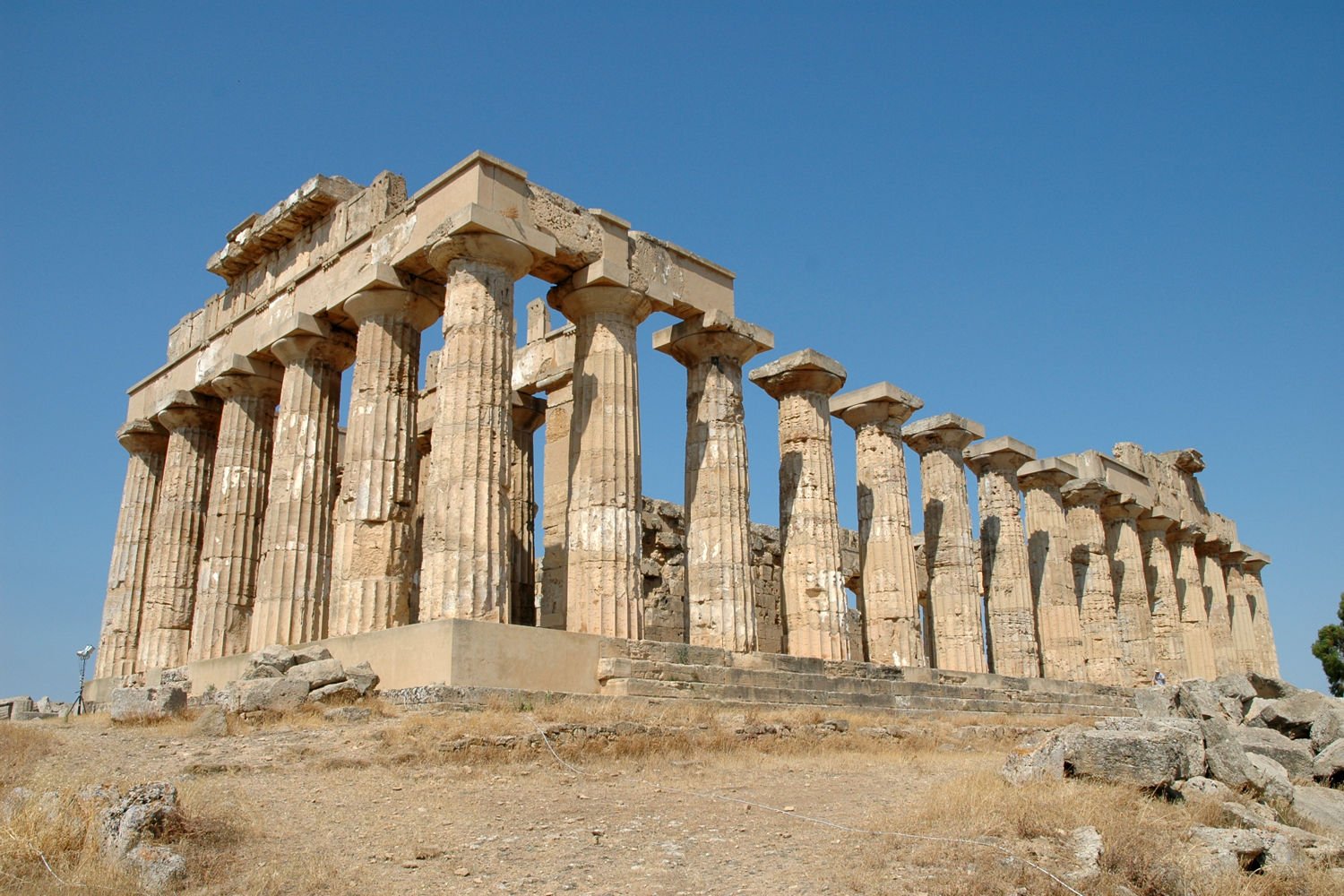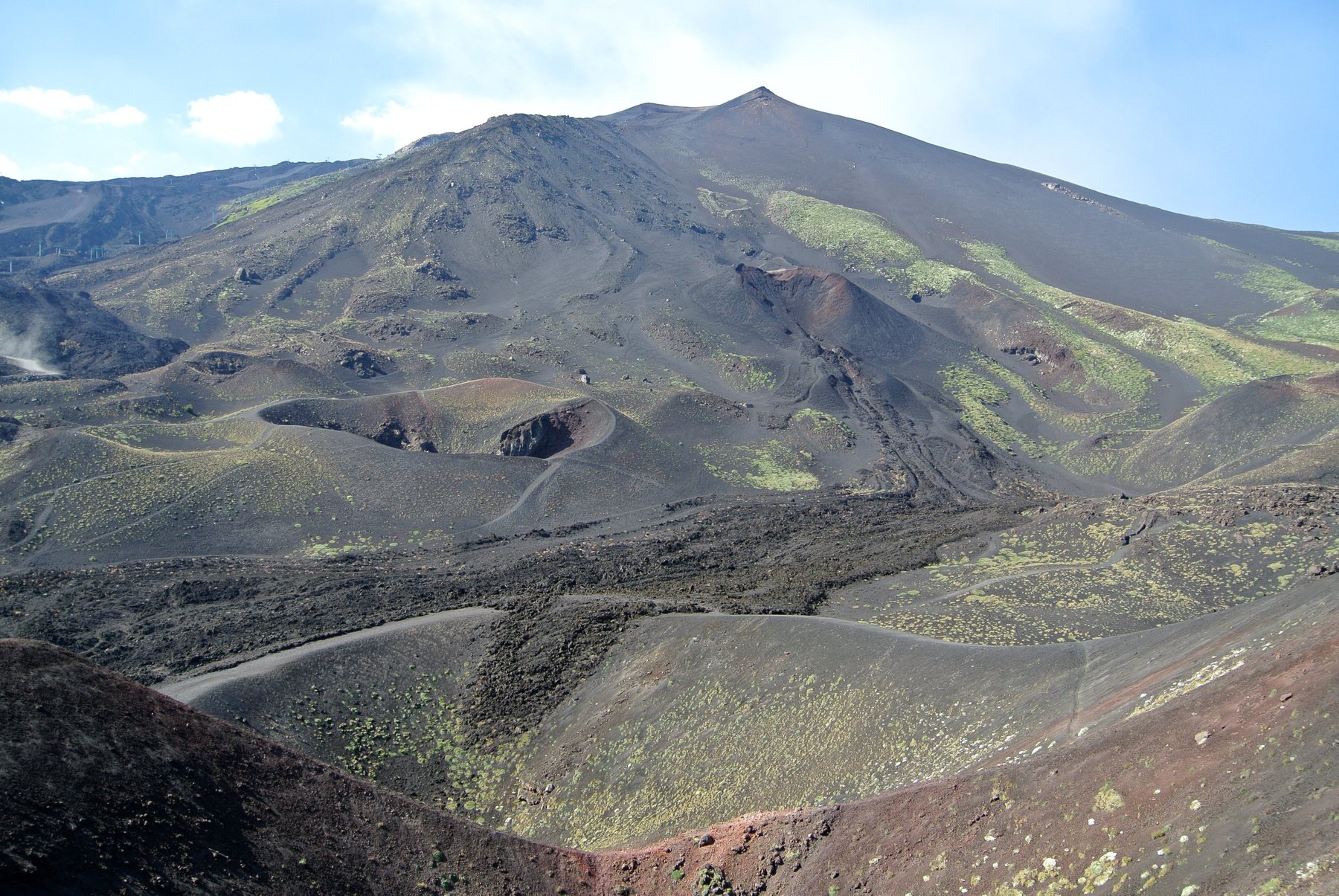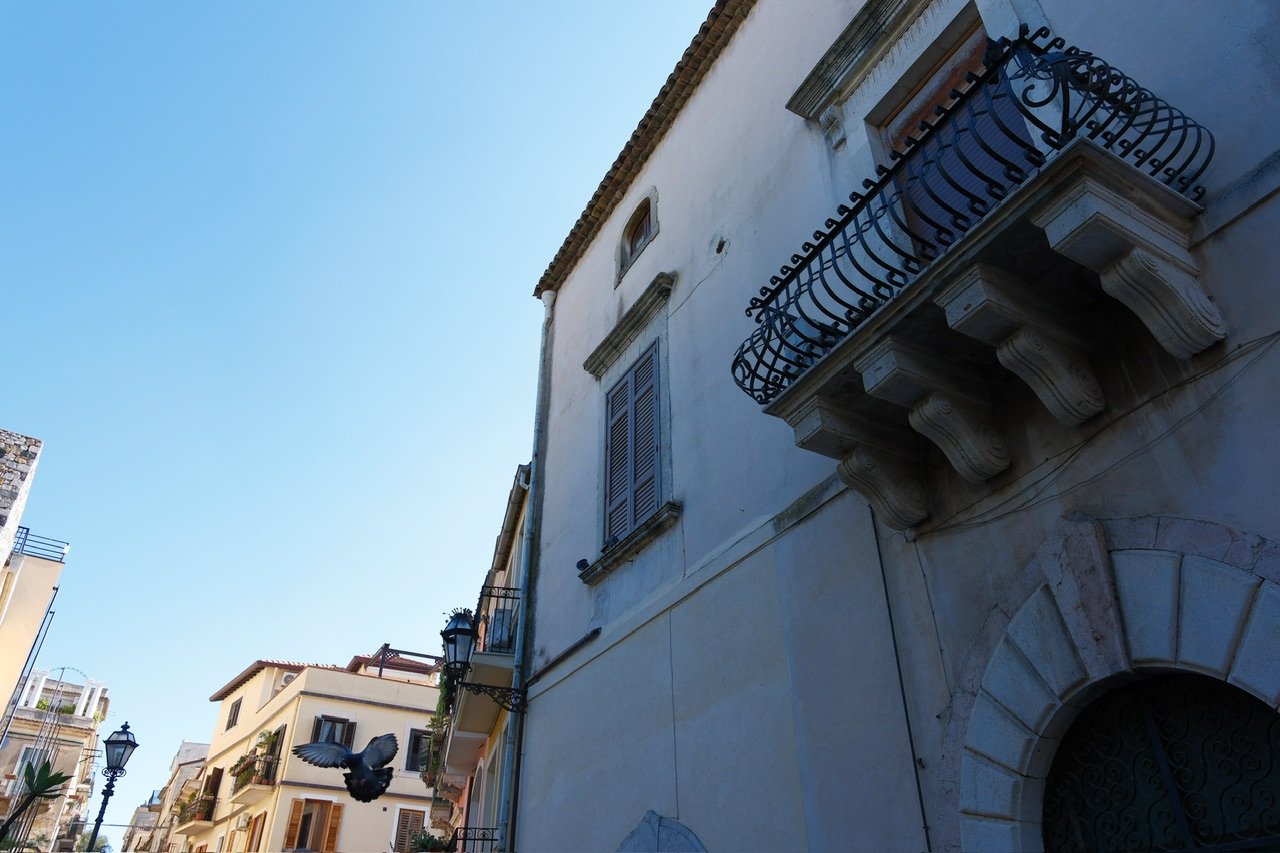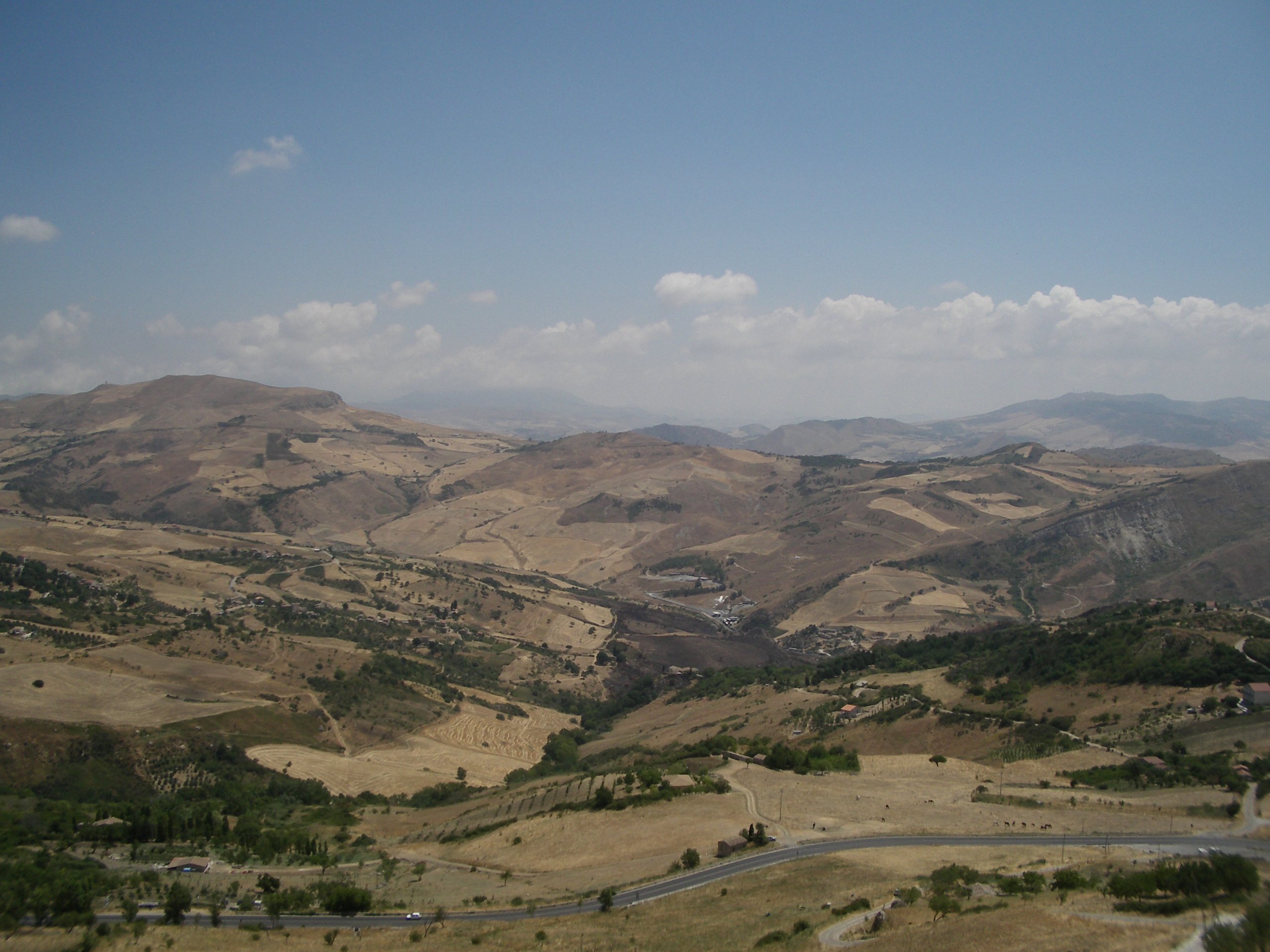
Sicily is not just another Italian region. The largest island in the Mediterranean has been invaded and reinvented so many times that it feels like its own country, one where Greek temples, Arab domes, Norman castles, and Baroque palaces share the same skyline. The food is different, the light is different, and the pace is slower.
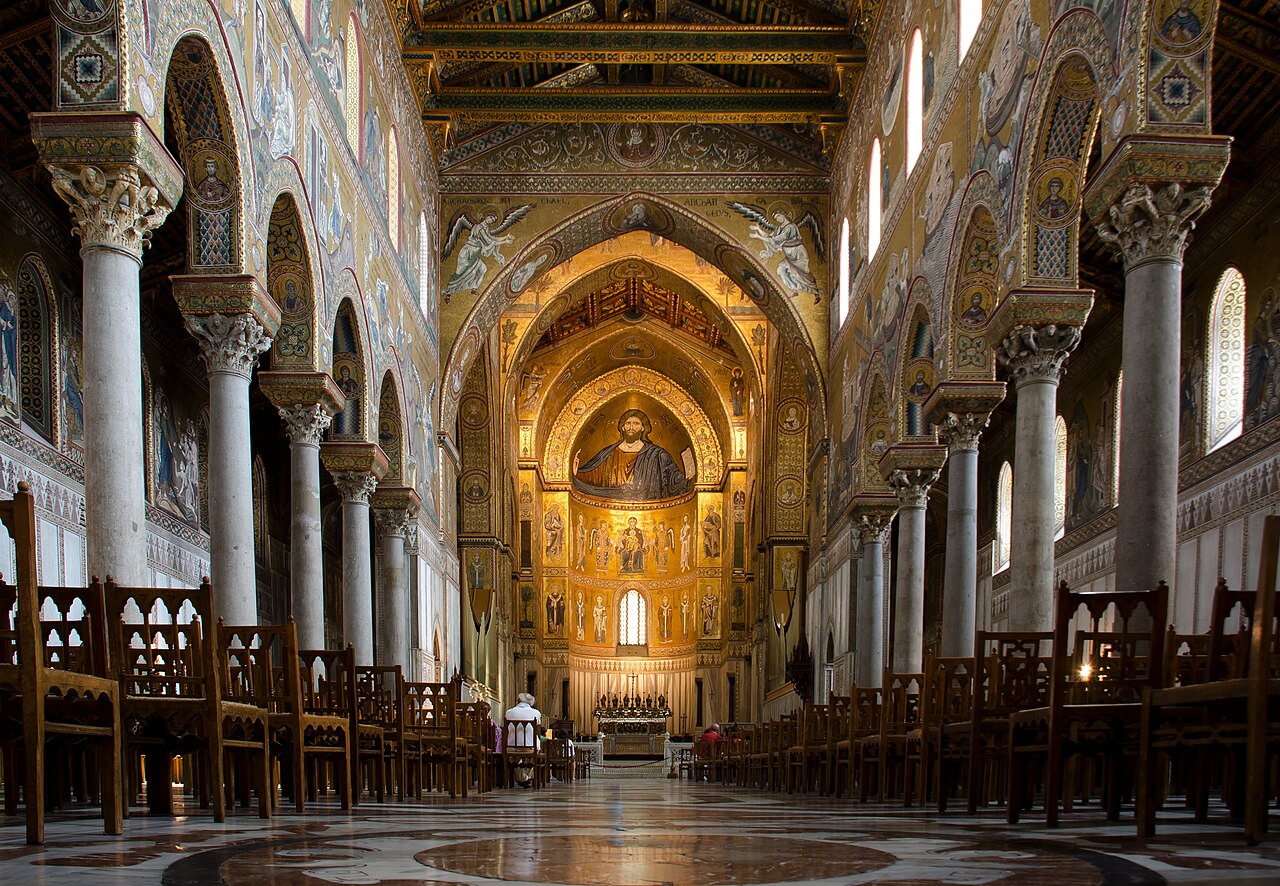
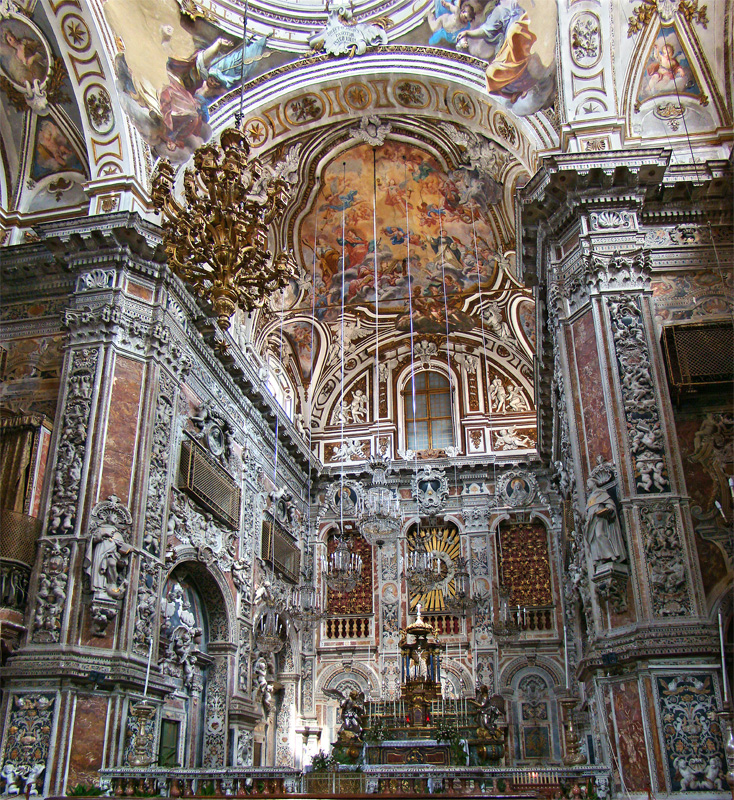
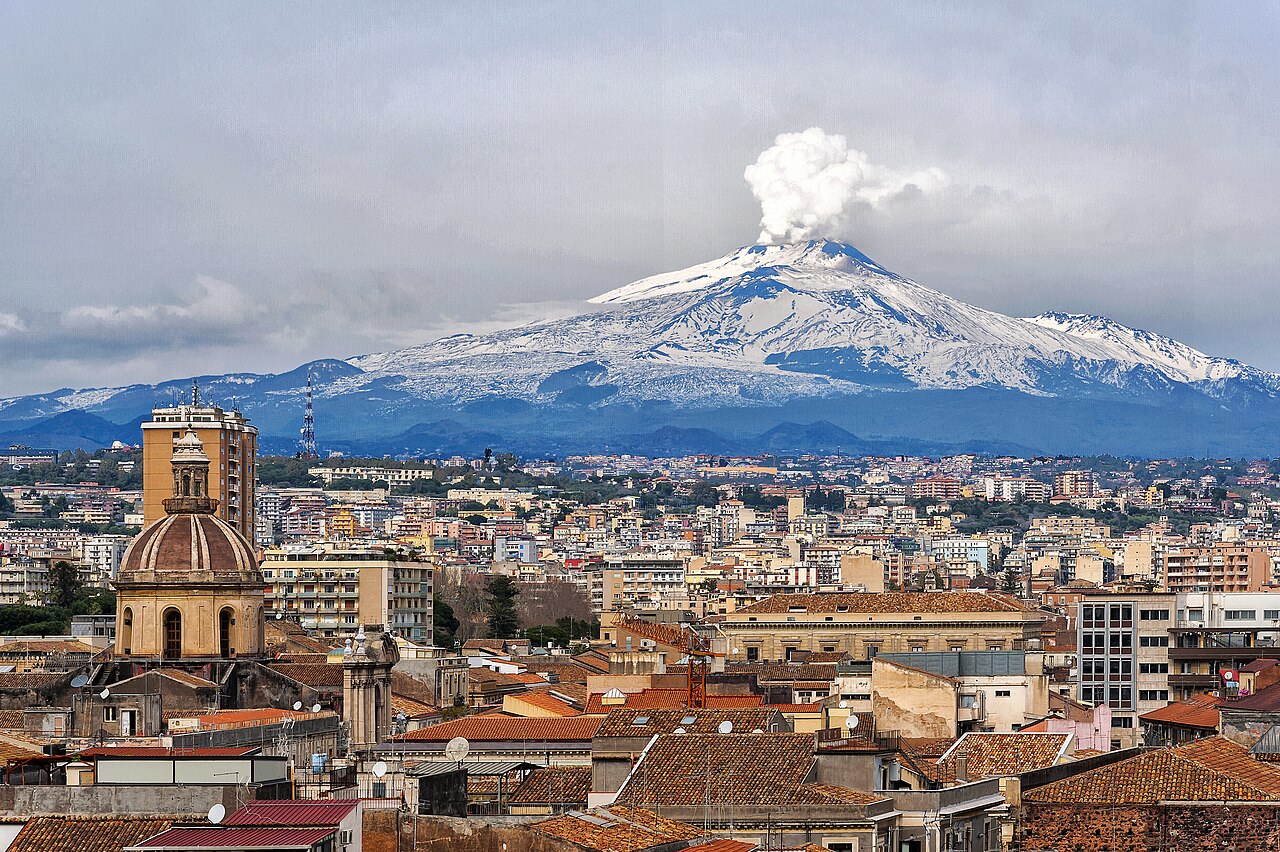
Start with Palermo, the chaotic, beautiful capital where street markets still function as they did under the Arabs and churches drip with Byzantine gold. Taormina is the glamorous resort perched above the sea with Mount Etna as a backdrop. Catania, Etna's other city, is grittier and more authentic, rebuilt in black lava stone after the 1693 earthquake.
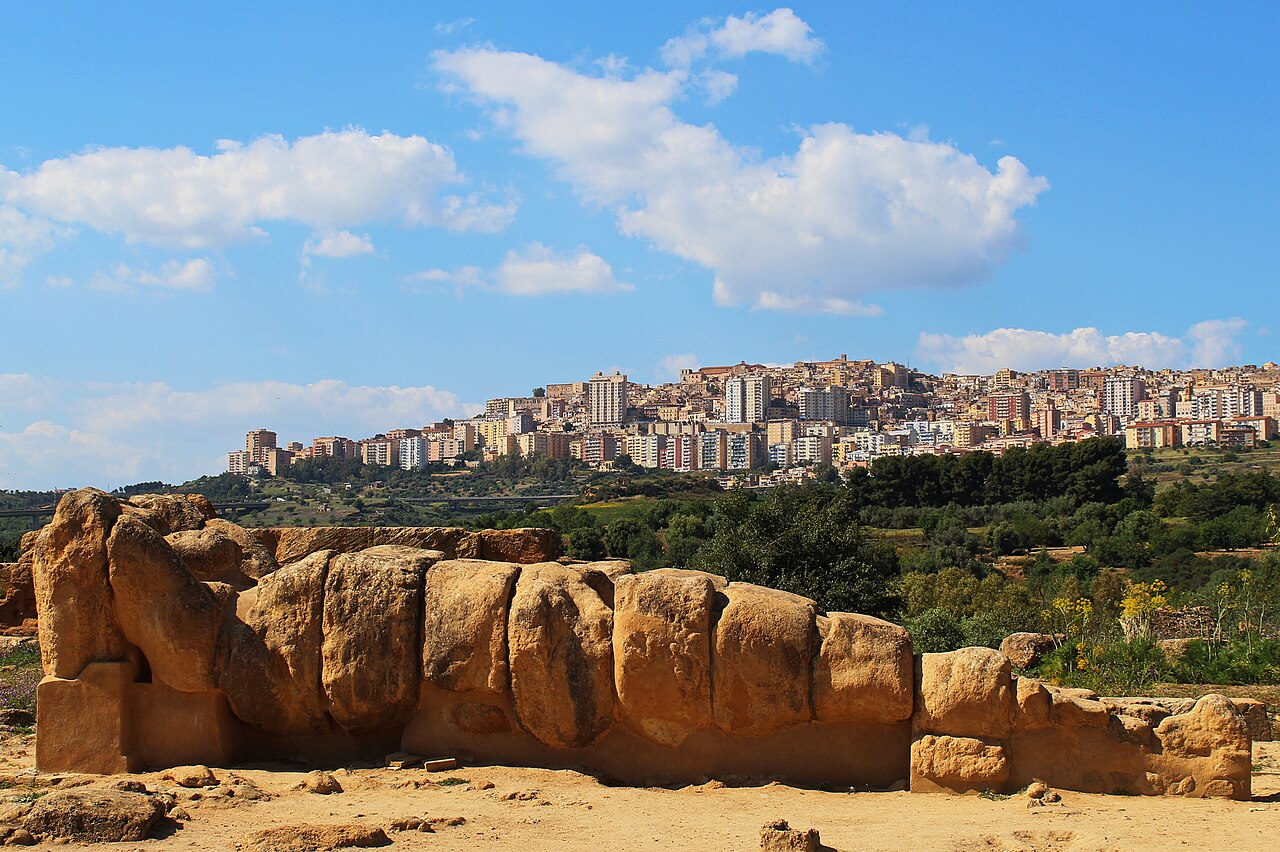
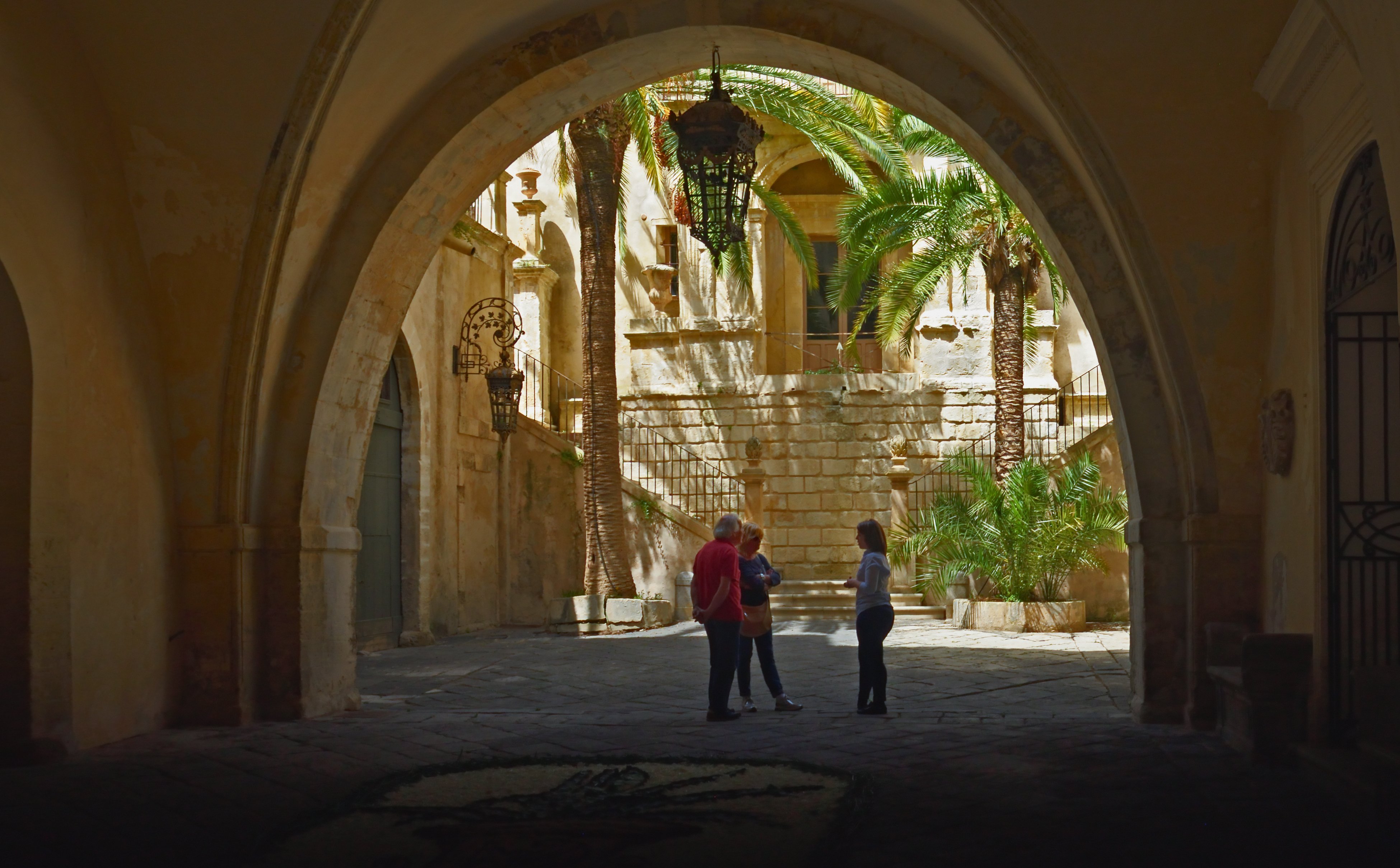
The southeast is Sicily's Baroque heartland. Noto, Ragusa, and Siracusa are all UNESCO-listed, and Siracusa was once the most powerful city in the Greek world. In the south, Agrigento has the best-preserved Greek temples outside of Athens.
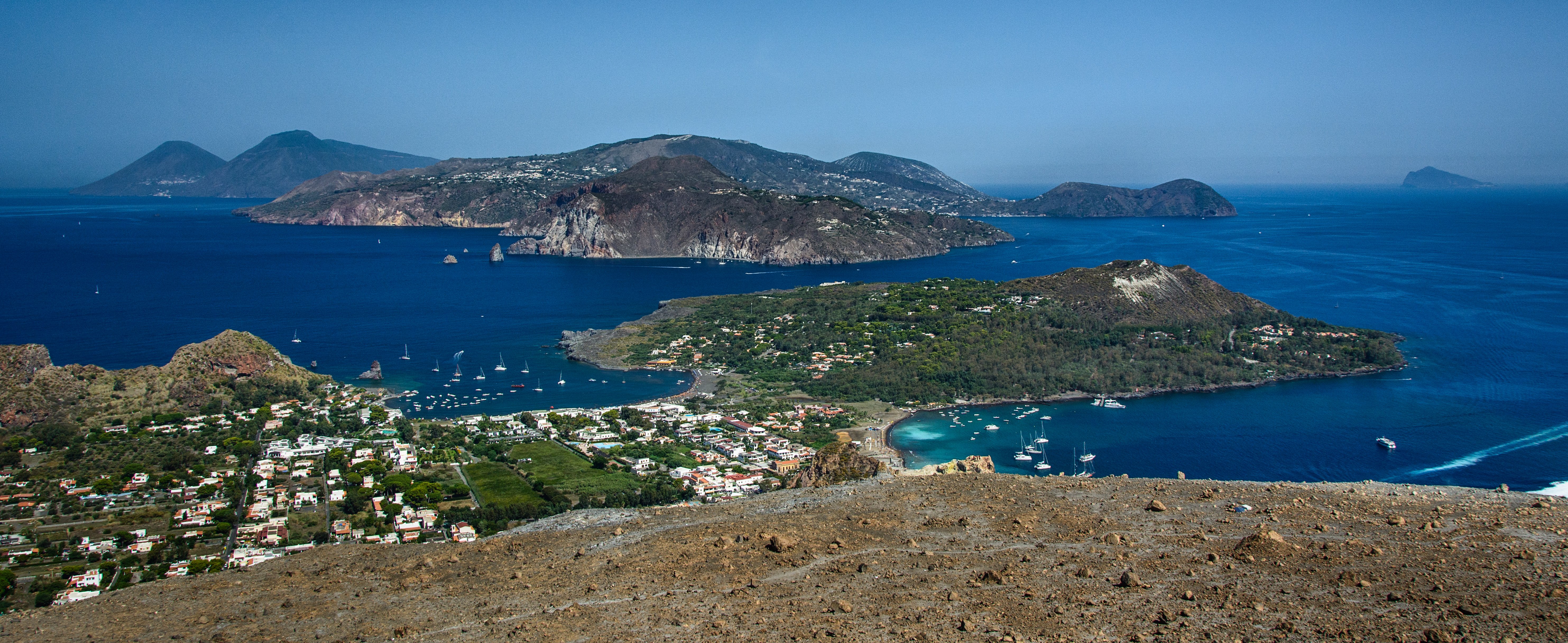
The interior is wild and largely untouched by tourism. Mount Etna rewards hikers with otherworldly landscapes, while Piazza Armerina hides the finest Roman mosaics in existence. Off the coast, the Aeolian Islands offer active volcanoes and black-sand beaches, and distant Pantelleria feels closer to Africa than to Europe.
Sicilian food is reason enough to visit. The cuisine draws on Greek, Arab, Spanish, and French influences, with seafood, street food, and pastries that put the mainland to shame. Arancini, pasta alla norma, cannoli, and granita are just the beginning.