Java is the heart of Indonesia -- the most populated island on earth and the country's political, economic, and cultural engine. More than 150 million people live here, packed into an island roughly the size of England, and yet there are still stretches of rice terraces, volcanic peaks, and dense forest that feel genuinely remote.
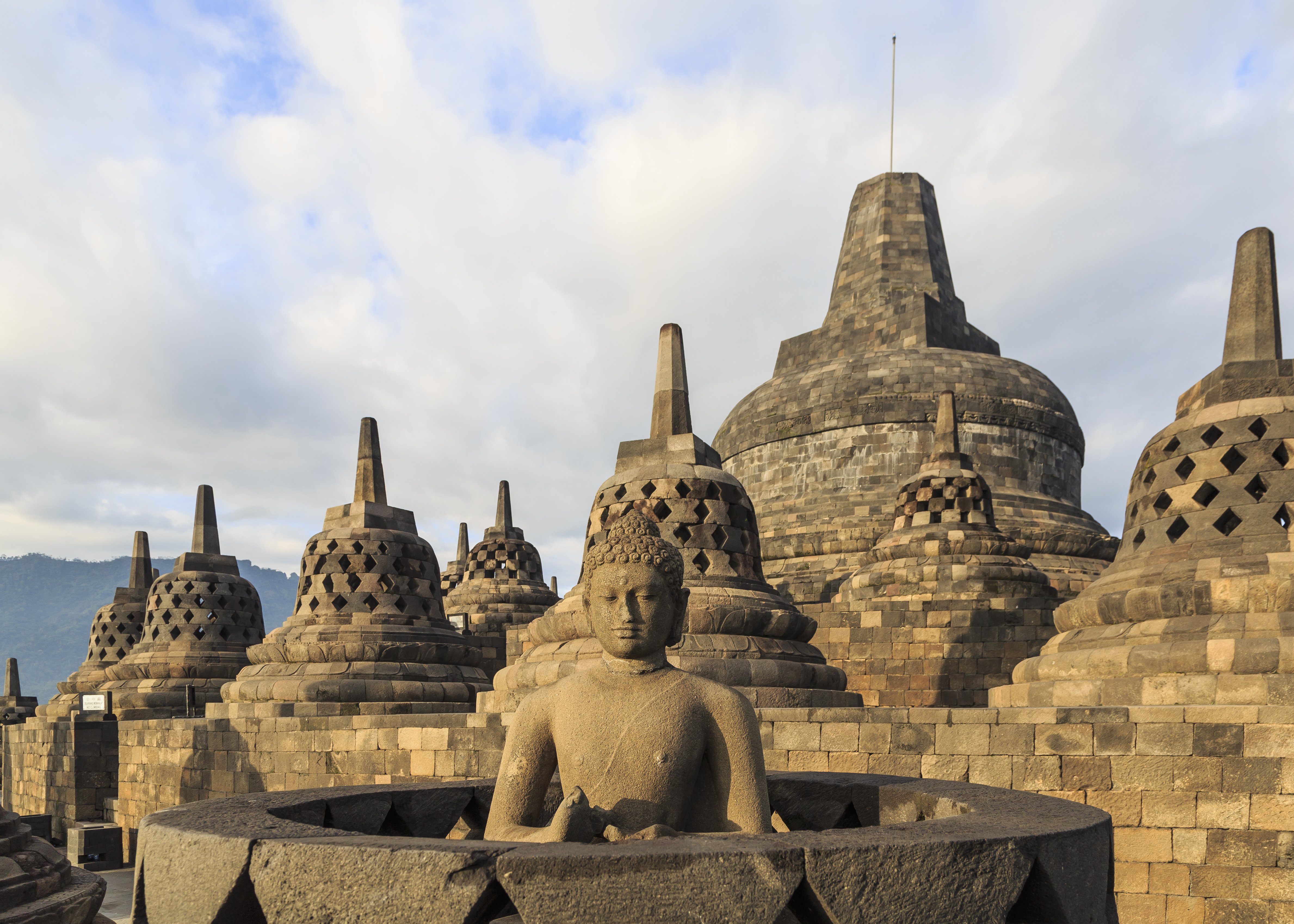
The island's two great draws are its Hindu-Buddhist temples and its living Javanese culture. Borobudur, the world's largest Buddhist monument, and the Hindu temples of Prambanan are both UNESCO World Heritage Sites and both easily reached from Yogyakarta, Java's cultural capital. Yogya and Solo are the places to experience gamelan music, wayang shadow puppetry, batik-making, and the courtly traditions of the Javanese sultanates.
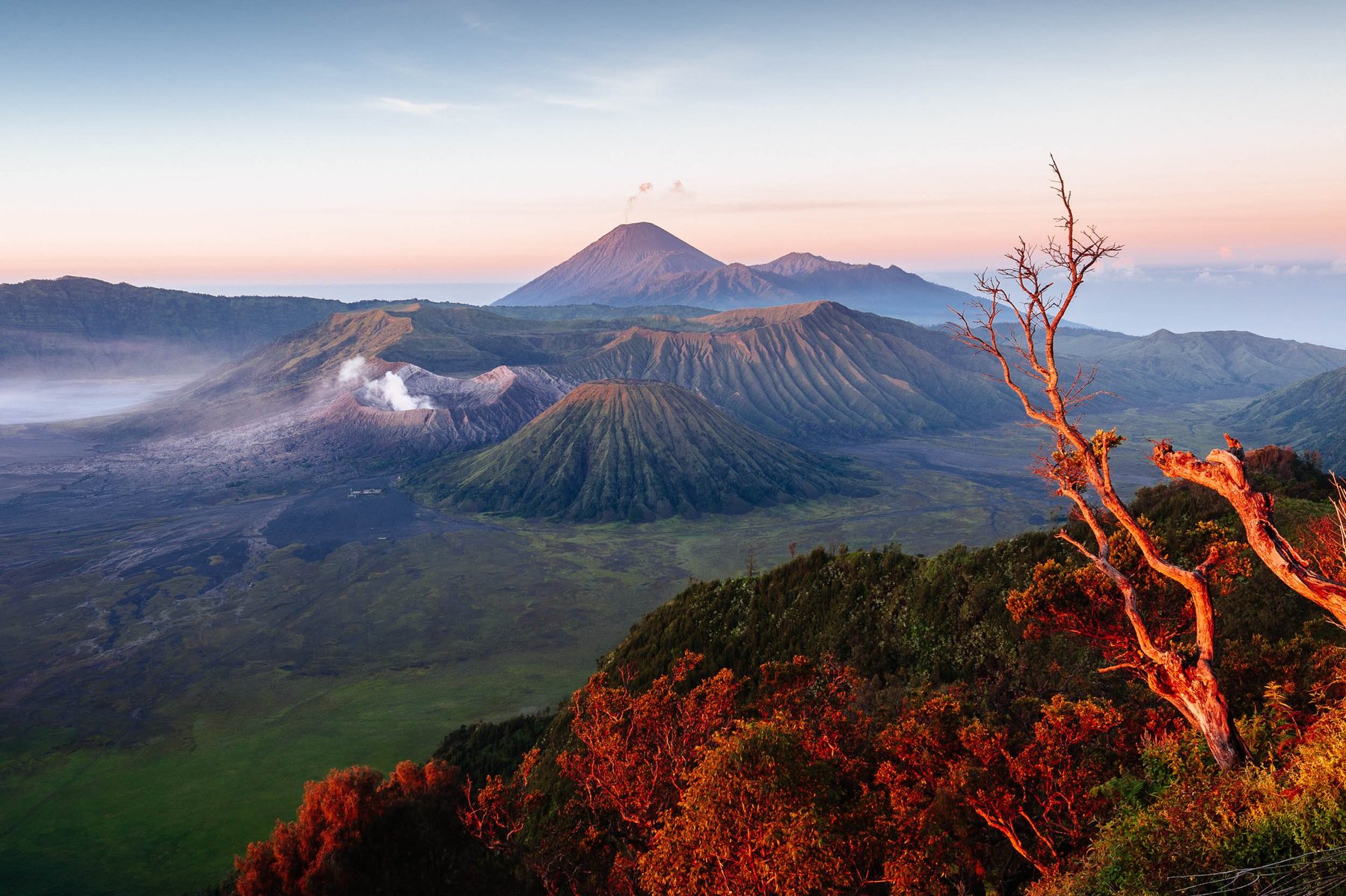
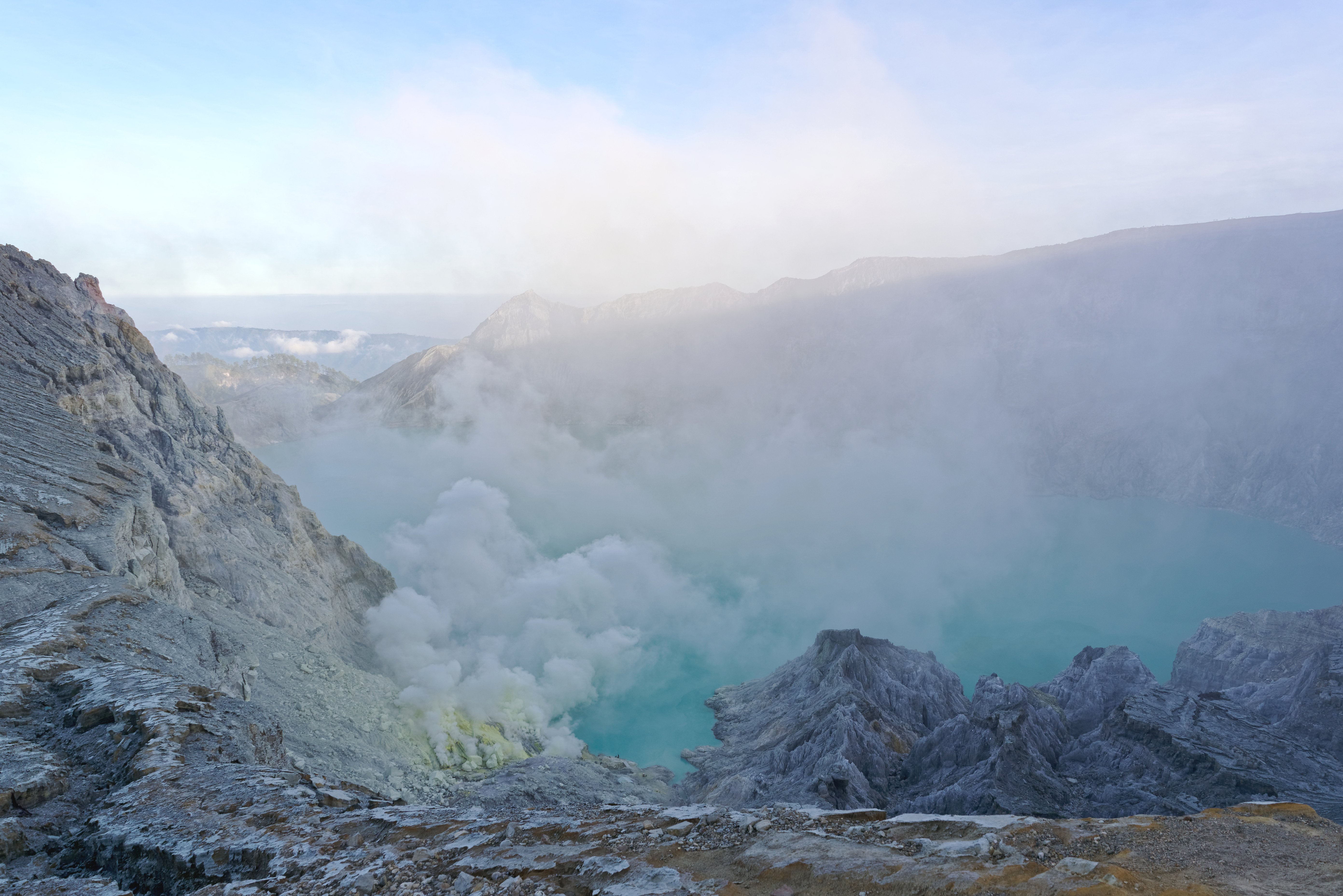
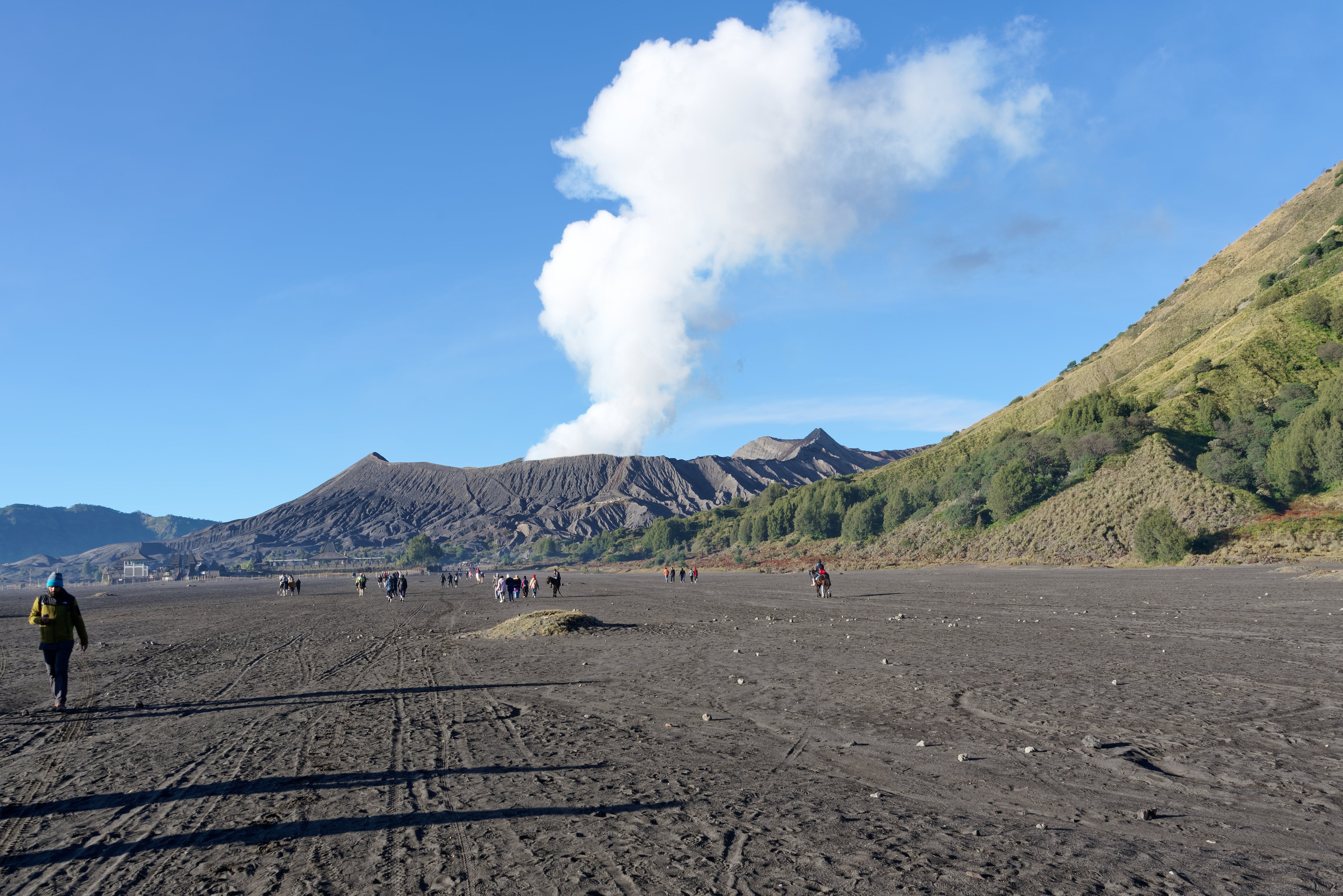
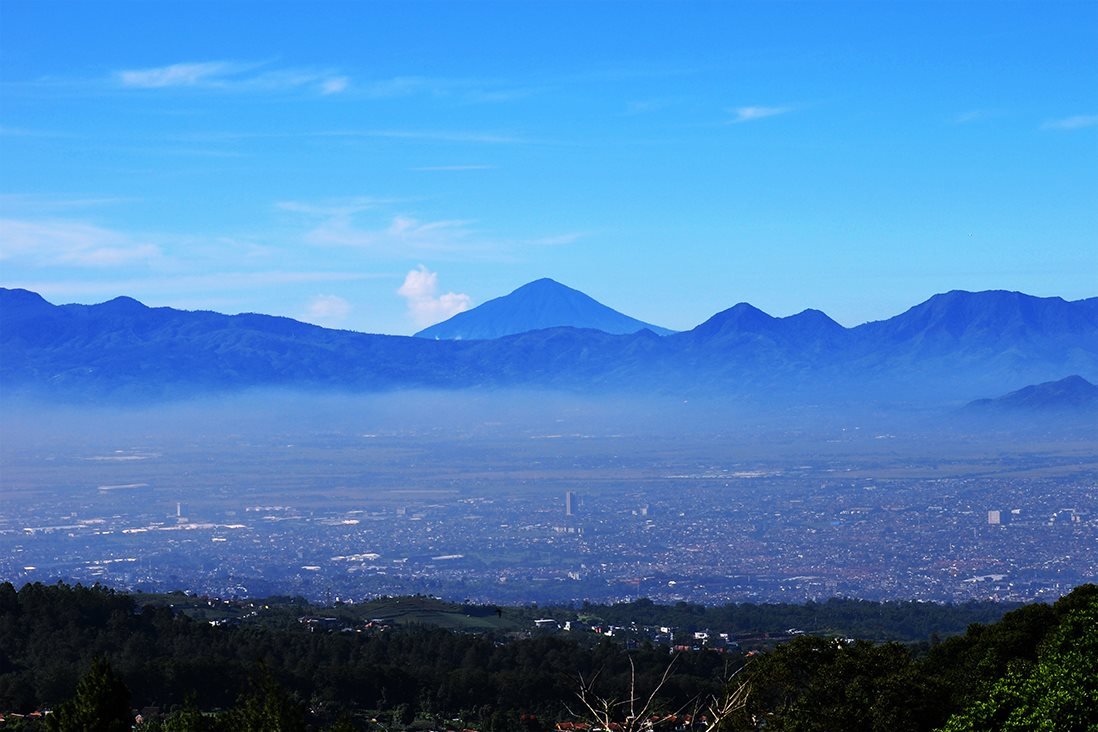
Jakarta, the sprawling capital, is where most travelers arrive. It is chaotic, traffic-choked, and not immediately lovable, but it has genuine character in its old Dutch quarter, its street food, and its malls. Bandung to the south offers cooler air, colonial architecture, and access to the Tangkuban Perahu volcano. Surabaya in the east is the jumping-off point for ferries to Bali and the volcanic landscapes of East Java, including Mount Bromo.
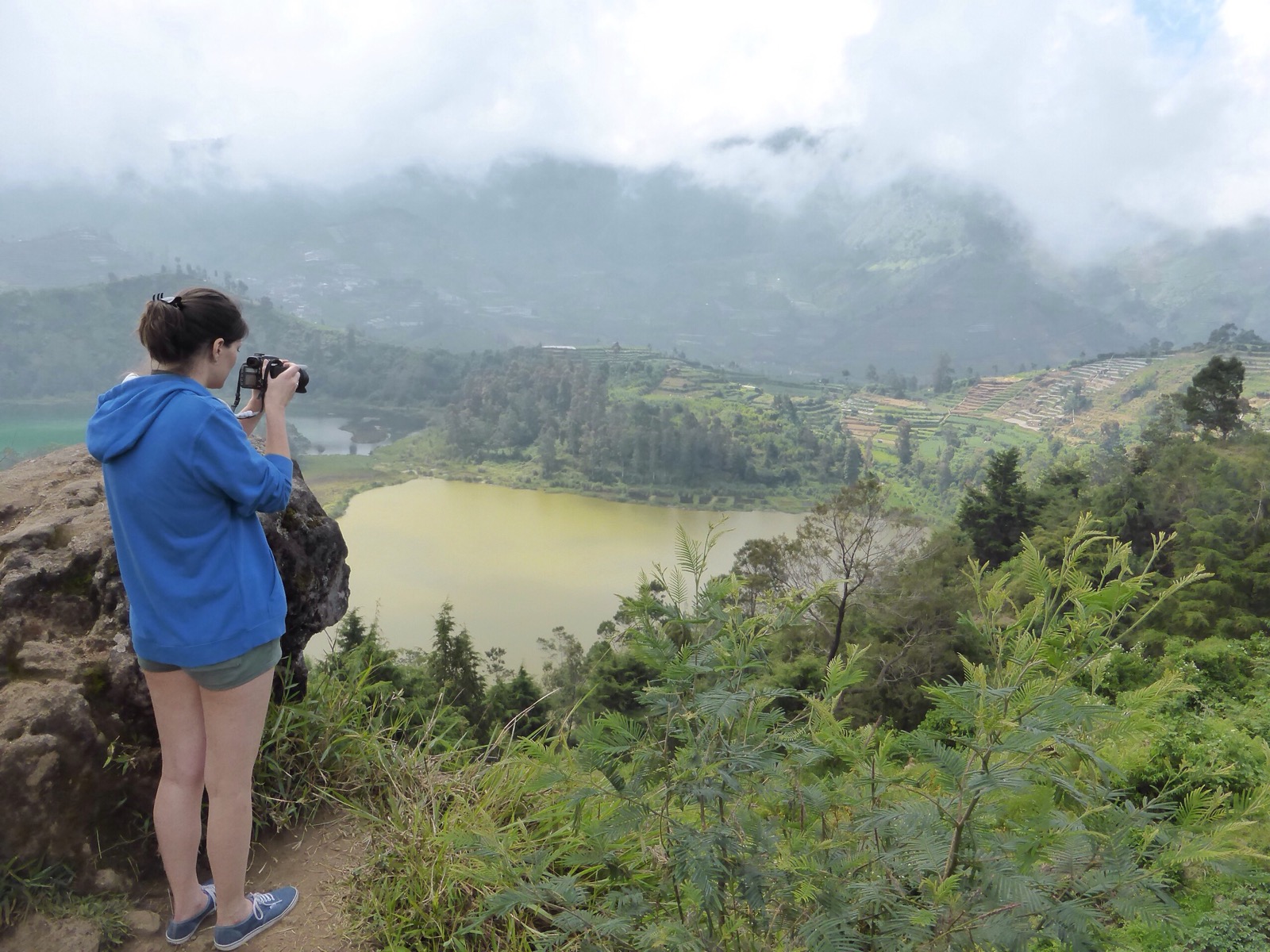
Java's volcanic spine runs its full length. Mount Merapi looms over Yogyakarta, Mount Semeru is the island's highest peak, and the Dieng Plateau in central Java is an eerie landscape of sulphur craters and ancient temples at 2,000 meters. Getting between these places is straightforward -- trains connect the major cities along the north coast and through the interior, and buses fill in the gaps.
The food alone is worth the trip. Each city has its own specialties: Padang restaurants serve communal feasts of spicy dishes in Jakarta, gudeg (jackfruit stew) is the signature in Yogya, and Surabaya's street stalls turn out some of the best satay on the island.