West Hollywood — WeHo to everyone who lives there — is a small, fiercely independent city of under 40,000 wedged between Hollywood and Beverly Hills. It packs more nightlife, design showrooms, and rainbow flags per block than anywhere else in greater Los Angeles. Since incorporating in 1984 it has been one of America's most prominent gay enclaves, and the stretch of Santa Monica Boulevard through Boystown still anchors the city's LGBTQ+ life, never busier than during the WeHo Pride weekend in June.
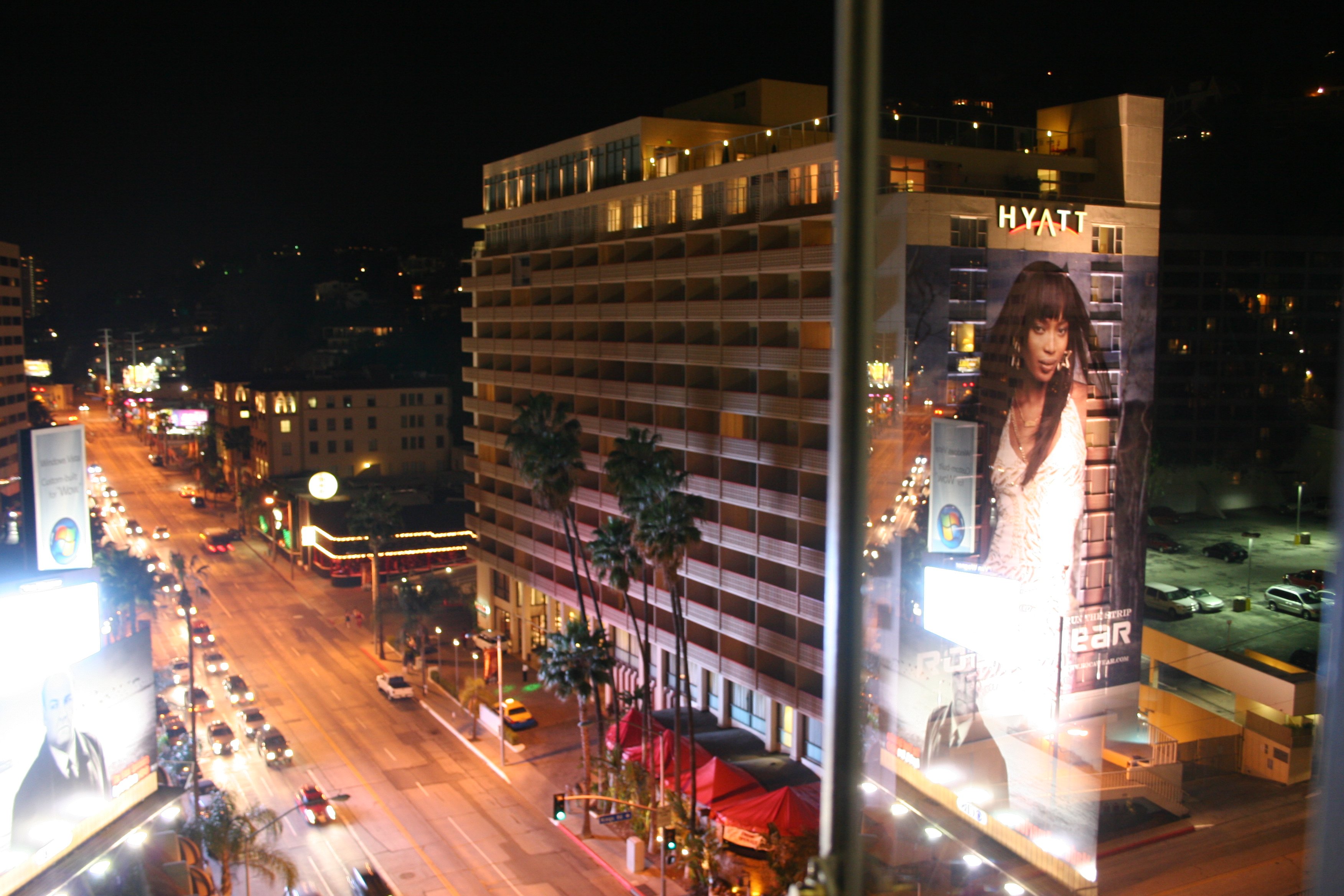
The northern edge is the Sunset Strip, the mile-and-a-half of Sunset Boulevard that has been Los Angeles's nightlife spine since the 1920s. The rock clubs that made it famous are still here — the Whisky a Go Go, the Roxy, the Comedy Store on the old Ciro's site — alongside billboard-lined hotels like the Chateau Marmont and the Mondrian. Lower down, around Melrose Avenue, the blue-glass Pacific Design Center presides over the Avenues of Art and Design, a cluster of interior showrooms and galleries.
WeHo rewards walking, which is rare in LA. Spend an evening drifting from a rooftop bar to a comedy set to a late dinner, all within a few blocks, and you will understand why people put up with the parking.